The Salvage Ledger: A Room-by-Room Verdict on What Comes Back and What Gets Hauled Away
Every restoration job reaches the same moment. The water is pumped out or the flames are long gone, and the homeowner stands in the middle of a damaged room holding a soggy photo album, asking the only question that matters: can this be saved?
After two decades of walking homeowners through that moment, we've learned that the answer usually comes down to three factors — what the item is made of, what damaged it, and what it would cost to restore versus replace. What follows is the same mental ledger our project managers carry on every job, adapted for the homeowner sorting through a loss on their own.
The Easy Calls: Items That Almost Always Go
Some materials simply don't recover, and pretending otherwise wastes money and, in the case of contamination, risks your family's health.
Mattresses and box springs. A mattress that has soaked through — particularly with Category 2 or 3 water (the gray or black water from sewer backups and floodwater) — is a lost cause. The interior foam and springs hold moisture and bacteria that no surface cleaning reaches. Fire-damaged mattresses absorb smoke odor into the same inaccessible core. Replace them.
Particleboard and MDF furniture. Pressed-wood bookcases, laminate entertainment centers, and flat-pack dressers swell when wet and never return to their original dimensions. They're inexpensive to replace and rarely worth a restoration bill.
Insulation and saturated carpet padding. Neither is designed to be salvaged. Both are removed and replaced on virtually every job we run. The carpet itself is a different story — see below.
Opened canned goods and exposed food after a fire. Heat compromises sealed containers, and soot penetrates screw-top jars. When in doubt, throw it out. Your insurer typically covers food loss.
The Middle Ground: Restorable With Conditions
Drywall. Water wicks upward through drywall, and the rule of thumb is the "flood cut" — remove twelve to twenty-four inches above the visible water line. Drywall touched by clean water and dried within 48 hours can sometimes stay; anything touched by contaminated water comes out. It's among the cheapest materials to replace, so the decision usually hinges on safety, not savings.
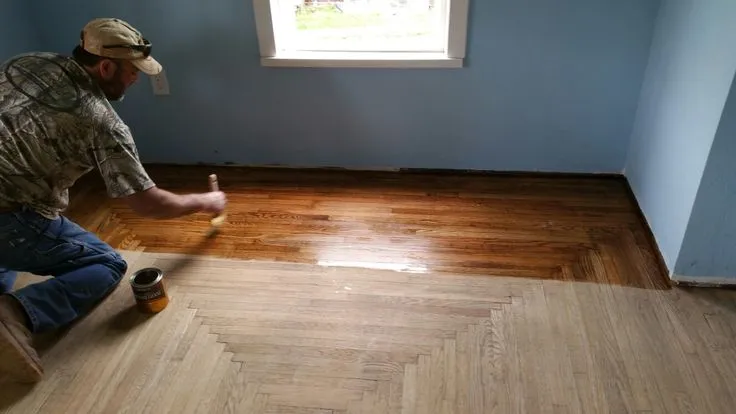
Hardwood floors. Genuine solid hardwood is one of the most salvageable materials in a water loss — if the response is fast. Cupping and crowning often reverse with professional drying, and sand-and-refinish handles the rest. Engineered hardwood is less forgiving; once the ply layers delaminate, replacement is the only option. Time is the deciding factor: floors dried within the first several days fare dramatically better.
Carpet. Clean-water-soaked carpet can be professionally extracted and sanitized. Carpet touched by sewage or floodwater should be discarded — no exceptions.
Electronics. Here, resist the urge to power anything on. Electronics damaged by water can sometimes be revived by a technician, but smoke-damaged electronics carry a hidden hazard: soot is acidic and corrosive, quietly eating circuitry for weeks after the fire. A professional electronics restoration service (often covered under your policy's contents line) is the only sensible route.
Upholstered furniture. Feasible with clean water and quick action; a near-certain discard after contamination or heavy smoke penetration, because the fabric and cushioning hold odor and bacteria the way a sponge holds water.
The Non-Negotiables: Sentimental Items Worth Fighting For
Here is where the ledger stops being about money. Your insurer's contents coverage is built on actual cash value or replacement cost — it has no line item for your father's Navy letters or the quilt your mother made. These items are worth restoring precisely because they cannot be replaced, and the industry has tools most homeowners don't know exist.
Photographs and documents. Individually frozen within days of a water loss, wet photos can be air-dried or vacuum-freeze-dried later without sticking together. Don't peel apart a clumped stack — freeze it and call a document restoration specialist.
Paper heirlooms, Bibles, and letters. The same freeze-then-dry approach applies. Smoke-odor removal for books uses ozone or thermal fogging chambers that most restoration firms operate in-house.
Textiles and quilts. Heirloom textiles can often be wet-cleaned by specialty conservators. Skip the household dryer — heat sets stains and smoke odor permanently.
Wood furniture and keepsakes. Solid wood absorbs smoke but releases it under professional cleaning, sanding, and sealing. Hand-carved or one-of-a-kind pieces deserve a conservator's evaluation before anyone reaches for a dumpster.
Your Printable Scorecard
Before you begin sorting, copy this simple four-column ledger onto a legal pad or spreadsheet:
- Item — describe it specifically.
- Damage type — clean water, contaminated water, smoke/soot, or mixed.
- Verdict — Restore, Replace, or Evaluate (call a professional).
- Sentiment value — High, Medium, or None.
The rules of thumb that fall out of this scorecard:
- Porous plus contaminated equals discard. Mattresses, padding, pressed wood, insulation.
- Solid materials get a second look. Hardwood, solid furniture, glass, metal, ceramics.
- Speed decides more than damage does. Most "unsalvageable" verdicts are really "too late" verdicts.
- High sentiment means Evaluate, never Replace. You can't un-throw-away an heirloom.
One Final Note Before the Dumpster Arrives
Document everything before it leaves the house — photograph each discarded item, and keep receipts for every replacement. Your claim depends on that record. And when an item's verdict is uncertain, make the call before disposal, not after. At Gregory Restoration, we'd rather spend ten minutes evaluating a keepsake than have a homeowner spend ten years regretting a decision made in the chaos of cleanup week.