The Case for Keeping What the Fire and Flood Couldn't Take: Restoration Over Demolition
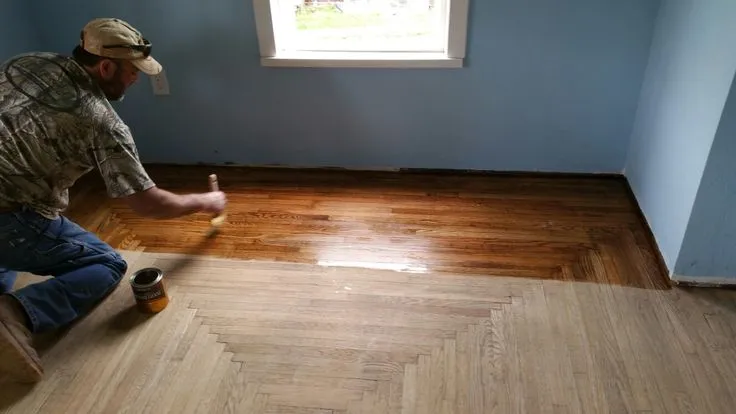
Photo: craftsman restoring original hardwood floor in old American home, via i.pinimg.com
When a pipe bursts or a kitchen fire scorches a wall, the instinct — shared by many homeowners and, frankly, some contractors — is to tear everything out and start fresh. New drywall, new flooring, new trim. A clean slate. But after two decades in the restoration business, we've come to a position we hold firmly: demolition is often the most expensive, slowest, and least environmentally responsible option on the table. Restoration deserves to be the default, not the exception.
The Arithmetic of Rip-and-Replace
Consider a hardwood floor affected by Category 2 water intrusion from a supply line failure. The replace-first approach means hauling out several hundred square feet of oak, disposing of it, sourcing new material, waiting on delivery, acclimating the wood, and installing it — a process that routinely stretches three to four weeks and costs 40 to 60 percent more than a professional drying and refinishing cycle.
The restore-first approach, by contrast, typically involves targeted extraction, commercial-grade dehumidification, and a refinishing pass. In many of our case studies, the floor was back underfoot in under ten days, at a fraction of the invoice, and the insurer paid without friction because the scope was smaller and better documented.
The pattern repeats across materials. Solid-wood trim, plaster walls, and original cabinetry frequently survive events that would justify replacement of their modern, particleboard counterparts. Ironically, older homes — the ones homeowners assume are the hardest to save — are often the easiest, because the materials were built to be repaired.
The Waste Nobody Talks About
The environmental case is straightforward. Construction and demolition debris accounts for a substantial share of landfill volume in the United States, and disaster-driven renovation is a meaningful contributor. A single flooded basement remodel can send tons of usable lumber, drywall, and flooring to the dump. Restoring those same materials diverts nearly all of it. There's also the embedded carbon: every new board, tile, or cabinet carries the energy cost of harvesting, manufacturing, and shipping it. Keeping what exists sidesteps that entire footprint.
When the Scales Tip Toward Replacement
We want to be clear-eyed, not romantic. Restoration is not always right. Contaminated materials — Category 3 water, widespread black mold, smoke residue driven deep into porous surfaces — sometimes must go for health reasons. Building codes may require upgrades to electrical or structural elements once walls are opened. And when damage is total, replacement is simply the honest answer.
Insurers also play a role. Most policies are built around restoring property to its pre-loss condition, which aligns naturally with restoration. When an adjuster sees a scope that preserves original materials rather than upgrading them, claims tend to move faster and settle cleaner.
The Value That Doesn't Show on an Invoice
Then there is the matter we can't quantify but see constantly: the 1940s mantel a late father built, the banister worn smooth by three generations of hands, the kitchen cabinets that define the whole house. Restoration preserves those things. A remodel, however well executed, replaces them with something that looks similar and means nothing.
Our recommendation is simple. Before you authorize a tear-out, ask for a genuine restoration assessment. Get the drying plan, the salvage list, and the side-by-side costs. In our experience, more often than not, saving what you have is cheaper, faster, cleaner — and worth more than anything you could buy to replace it.