Five Sump Pumps, Five Failures: A Decade of Storm Season Basement Floods, Reviewed
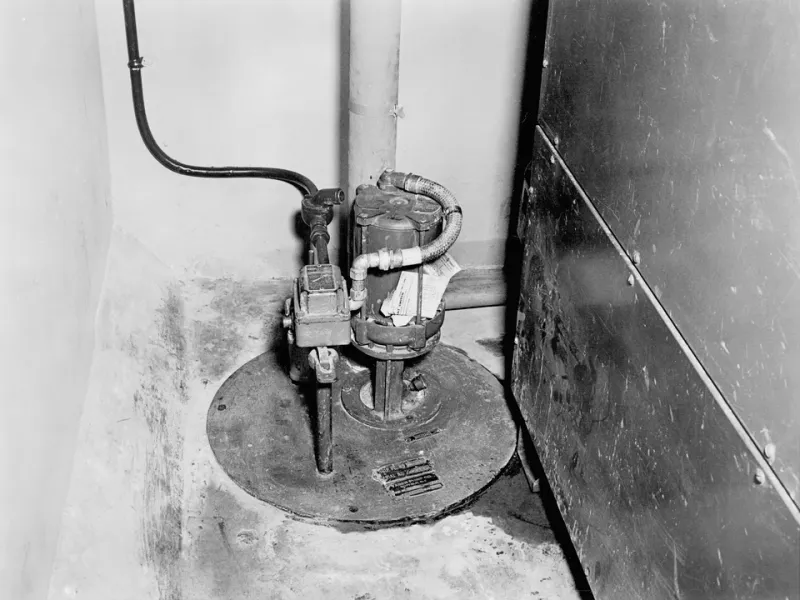
Photo: United States Department of Energy, Public domain, via Wikimedia Commons
Every storm season, the same phone calls come in: a finished basement, a failed sump pump, and a homeowner who thought they were covered. We pulled five cases from our own files — different states, different storms, same hard lessons. Read them as a pattern, because that's exactly what they are.
Case 1: The Pump That Needed Power
A 1970s split-level outside Kansas City took a direct hit from a spring squall line that knocked out electricity for six hours. The sump pump was brand new — and completely useless, because it ran on wall power only. Fourteen inches of water in a finished basement. The lesson: a pump without battery backup is a fair-weather device. Storms and outages arrive together, by design of nature.
Case 2: The Float Switch That Stuck
In a Columbus ranch home, the pump itself was healthy. The float switch — the mechanism that tells it to turn on — had jammed against the pit wall after years of vibration. The pit filled, overflowed, and quietly flooded a rec room while the family was on vacation. A five-second test (pour a bucket of water into the pit and watch the float move freely) would have caught it.
Case 3: Undersized and Overwhelmed
A Houston homeowner installed a bargain-bin pump rated for 2,000 gallons per hour. A tropical system dropped six inches of rain in one night; the inflow exceeded the pump's capacity, and the pit simply couldn't keep up. Bigger isn't always better, but undersized is always undersized. Match the pump to your water table and your drainage area, not to the price tag.
Case 4: The Discharge Line That Froze and Clogged
A Minneapolis home had a perfectly good pump discharging into a line that was crushed by frost heave and partially clogged with sediment. The pump ran, and ran, and ran — pushing water right back out through a split fitting beside the foundation. Discharge lines need inspection too. Water that can't leave will find its way back in.
Case 5: Ten Years of Silence
Our most expensive call of the decade: a pump installed in 2011, never serviced, never tested, finally seized during a June derecho in the Chicago suburbs. Motors wear out. Manufacturers typically rate these units for 5 to 10 years. If you can't remember when yours was installed, assume it's on borrowed time.
The Pre-Storm Checklist
Before the next severe weather warning in your area, run through this list:
- Test the pump. Pour a bucket of water into the pit. The float should rise freely and the pump should activate immediately.
- Check the backup. If you don't have a battery backup or water-powered backup pump, get one. If you do, test the battery.
- Inspect the discharge line. Confirm it's clear, uncrushed, and discharging well away from the foundation.
- Clear the pit. Remove sediment, gravel, and debris that can jam the impeller or float.
- Verify the power source. Make sure the pump isn't plugged into a GFCI outlet that trips easily or a circuit shared with a freezer.
- Know the age. Write the install date on the unit. Replace proactively at the eight-year mark.
Five basements, five disasters, one common thread: none of these floods were inevitable. Every one of them traces back to a ten-minute inspection that never happened. Storm season rewards the prepared — and we'd much rather meet you before the water than after.


