Pre-Loss Condition, Explained: The Line Between Restoration and Renovation That Insurers Won't Cross
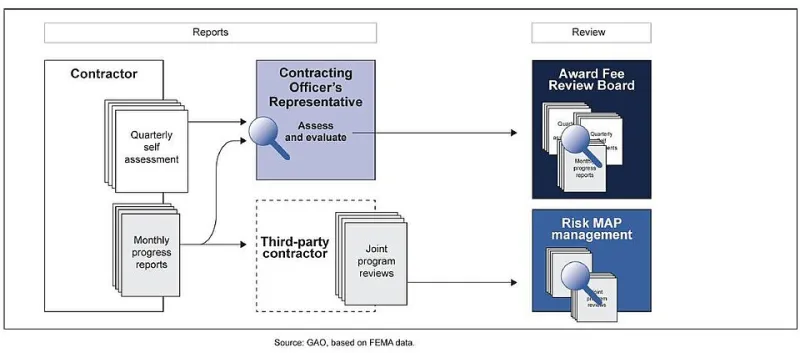
Photo: U.S. Government Accountability Office from Washington, DC, United States, Public domain, via Wikimedia Commons
After a serious water loss, most homeowners assume the insurance check will cover whatever repairs they choose. It doesn't. American homeowner policies are built around a single governing principle: indemnity. Your carrier's obligation is to return your property to the condition it was in moments before the damage occurred — no better, no worse. Understanding how that principle plays out in practice can save you thousands of dollars and weeks of frustration.
What "Pre-Loss Condition" Actually Means
Pre-loss condition is a term of art, not a vague aspiration. It refers to the state of your home immediately before the damaging event, accounting for age, wear, and prior condition. If a 20-year-old water heater floods your utility room, the insurer owes you the cost of restoring the damaged materials — but it owes you 20-year-old-equivalent materials, not brand-new upgrades.
This is where depreciation enters the picture. Most policies pay actual cash value (ACV) up front, which factors in depreciation, and release replacement cost value (RCV) only after work is completed. Either way, the benchmark is what you had, not what you wish you had.
Where Restoration Ends and Renovation Begins
The distinction sounds simple until real materials are involved. Consider these common flashpoints:
- Matching materials. If drywall or tile in a damaged area is discontinued, insurers typically owe only the damaged portion — not the cost of re-facing an entire room so everything matches. Some states, including California and Texas, have case law and policy endorsements addressing "matching," but the default is partial repair.
- Code-required upgrades. If repairs trigger current building codes — GFCI outlets, tempered glass near a shower, updated egress windows — many policies include a code upgrade (or "ordinance and law") endorsement. Without it, those improvements come out of your pocket.
- Opportunistic improvements. Deciding that now is the time to open up a wall, move a fixture, or upgrade to luxury vinyl plank throughout the first floor? That's renovation. The carrier owes only the restoration scope.
Real Scenarios: When Homeowners Crossed the Line
A homeowner in the Midwest experienced a supply-line failure that soaked a finished basement. The adjuster approved restoration of the existing carpet-grade flooring. The homeowner, however, opted for engineered hardwood and a built-in entertainment wall during rebuild — assuming the "replacement cost" clause covered it. The carrier paid the pre-loss equivalent and nothing more. The upgrade delta, roughly $11,000, was entirely out of pocket.
In another case, a kitchen leak led to cabinet replacement. The homeowner selected semi-custom cabinets to replace 15-year-old stock boxes. Because the policy paid ACV, the carrier depreciated the allowance to match the age of the originals. The upgrade cost roughly triple the settlement.
The pattern is consistent: the loss doesn't create a budget for improvements. It creates a budget for restoration.
What to Negotiate Before Work Begins
The time to protect yourself is during scoping, not after demolition. Before signing a work authorization:
- Request the adjuster's line-item scope in writing and compare it against your contractor's estimate. Discrepancies in materials, dimensions, or counts should be resolved before work starts.
- Ask about your code upgrade coverage. If your policy includes ordinance-and-law coverage, find the limit. Many are set at 10% of dwelling coverage — enough for some upgrades, not others.
- Clarify depreciation release terms. Know exactly what documentation — invoices, completion certificates, photos — your carrier requires to release the withheld RCV funds.
- Separate the scopes. If you want renovations, ask your contractor to bid restoration and improvements as distinct line items. This keeps the insurance claim clean and your own spending transparent.
- Document pre-loss condition. If you believe the damaged area was newer or better than the adjuster's depreciation assumes, receipts, photos, and appraisal records can shift the baseline in your favor.
The Case for Keeping the Two Separate
There is nothing wrong with renovating after a loss — many homeowners reasonably seize the moment. The mistake is blending the two financially. Homeowners who fund improvements through a restoration claim risk claim denials, clawbacks, and, in cases of deliberate inflation of damages, allegations of fraud. Homeowners who pay for upgrades out of pocket while letting the claim cover restoration keep both processes clean.
Restoration is the promise your policy makes. Renovation is a decision you make. When both the homeowner and the contractor understand which budget each board and fixture belongs to, the rebuild moves faster, the claim settles smoother, and the finished home — restored, renovated, or both — is one you can enjoy without a billing surprise waiting in the wings.