Read the Walls Before You Read the Contract: Uncovering a Home's Restoration History
Every house has a biography, and not all of it is written in the listing description. As a company that has spent decades putting homes back together after water, fire, and mold losses, we can tell you something most buyers learn the hard way: the most important inspection happens before the inspector ever arrives. It happens when you learn to read the quiet evidence a house leaves behind after a restoration.
Some of that evidence is reassuring. A properly dried, properly rebuilt home can be every bit as sound as one that never suffered a loss. Some of it, however, is a warning that someone took a shortcut. The difference between the two is learnable, and this guide will teach you the basics.
Why Sellers Don't Always Tell the Whole Story
Disclosure laws vary widely across the United States. Some states require sellers to reveal known water intrusion or mold remediation in writing; others operate largely on caveat emptor. Even where disclosure is mandatory, the requirement typically covers what the seller knows — and a seller who bought the house from someone else may genuinely have no idea the finished basement was once two feet of standing stormwater.
That means the burden of detection falls partly on you. Fortunately, restoration work leaves fingerprints. Professionals follow building science; cover-ups follow expediency. Once you know what each looks like, the story of the house begins to reveal itself.
The Fingerprints of Past Water Damage
Water is the most common loss category in American homes, and it leaves the most instructive clues.
Look up first. Fresh paint on a ceiling in an otherwise dated room is worth a question. Water stains are the most frequently painted-over defect in real estate. Run your hand along the ceiling near bathrooms and below the roofline — a soft spot or a subtle sag tells you more than a coat of flat white ever could.
Check the baseboards and floor transitions. Replaced flooring that doesn't quite match — a slightly different shade of laminate in the back half of the living room, new tile in one bathroom and original vinyl in the other — often marks the footprint of a flood. Swollen or replaced baseboards with crisp, too-new caulk lines deserve the same scrutiny.
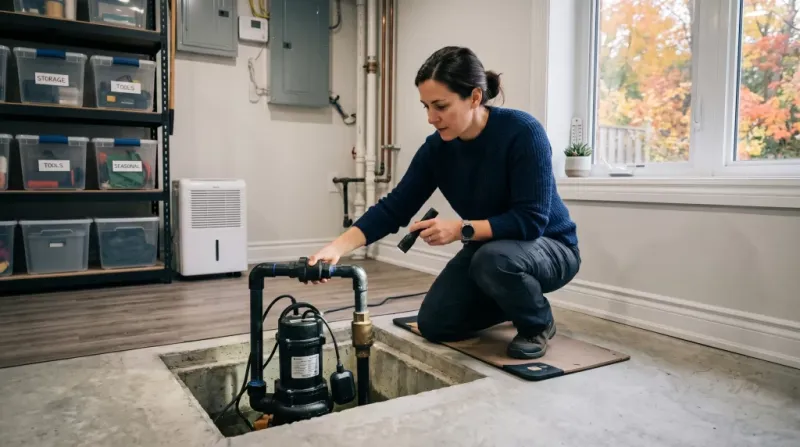
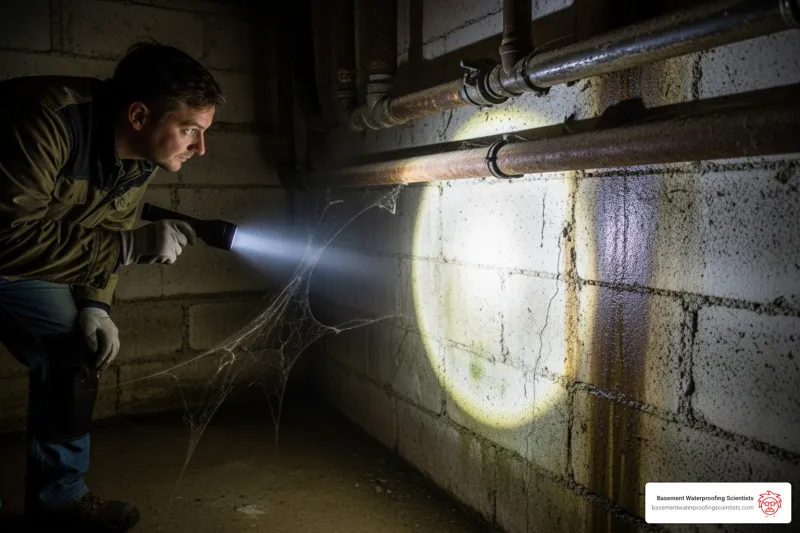
Tour the basement and crawlspace with your nose. Mustiness is the signature of moisture that was managed, not eliminated. A dehumidifier humming in the corner, a sump pump with a battery backup, or a fresh drainage system along the perimeter can be either diligence or a recurring problem — the inspection report and the seller's answers will tell you which.
The Fingerprints of Fire and Smoke
Fire losses are harder to hide, but partial repairs are common. Open the kitchen cabinets and look at the tops of the doors — soot settles on horizontal surfaces and is rarely cleaned where nobody looks. Check the attic and the HVAC registers; smoke travels through ductwork, and a fire that was only cosmetically addressed often leaves a faint smoky note in the supply air when the system runs.
Also pay attention to the electrical panel. A home that shows a recent panel replacement, new outlets throughout, and fresh drywall patches concentrated in one section of the house may have had wiring and framing repaired after a fire — which is fine, if it was done to code and permitted.
The Fingerprints of Mold Remediation
Professional mold remediation is a legitimate, documented process — and a documented one is a point in the seller's favor. Look for:
- New drywall with slightly different texture or sheen than surrounding walls, particularly under windows or along exterior walls
- Freshly sealed crawlspace vapor barriers or new attic insulation of a different vintage than the rest
- A paper trail: remediation certificates, post-remediation clearance testing, and invoices from a licensed contractor
The absence of paperwork is the red flag. Reputable remediation firms document clearance testing because it protects everyone involved. A seller who claims mold was "handled" but cannot produce a single record is asking you to take an expensive risk on faith.
A Ten-Minute Walkthrough Checklist
Bring this list to your next showing:
- Sniff the basement, crawlspace hatch, and attic — mustiness is data.
- Look at ceiling corners and window headers for paint that doesn't match its neighbors.
- Compare flooring between rooms and note any seams or material changes with no obvious reason.
- Open a few cabinets and check the tops of doors for soot or staining.
- Run the HVAC and note any odor from the vents.
- Ask about the age of the water heater, washing machine hoses, and roof — the usual sources of water losses.
- Ask directly: "Has the home ever had a water, fire, or mold loss?" Then ask for the documentation.
When a Restoration History Is a Selling Point
Here is the counterintuitive part: a documented, professionally restored home can be a better purchase than one with no history at all. A house that survived a basement flood and gained a new drainage system, a sump pump with battery backup, and mold-resistant drywall is arguably more resilient than the untouched house down the street. The same goes for a kitchen rebuilt after a fire with modern wiring and updated appliances.
What matters is the quality and completeness of the work, not the fact of the loss. Permits pulled, clearances issued, warranties transferred — these convert a troubled past into demonstrated resilience.
When to Walk Away
Walk away — or at least price in a serious remediation budget — when you find widespread fresh paint over staining with no disclosure, a musty odor the seller dismisses, drainage "fixes" that consist of a single dehumidifier, or a refusal to produce documentation for claimed repairs. Cover-ups are rarely limited to one defect. Where there is one concealed repair, there are usually others.
Bring your findings to a licensed home inspector, and consider a mold assessment or moisture survey for any home with a suspicious history. A few hundred dollars in due diligence is cheap insurance against a five-figure surprise after closing.
The house you buy will spend decades telling you the truth. Learn to hear it early — before the contract, not after.