One Weekend, Twelve Checks: Your Home's Annual Physical Before Storm Season
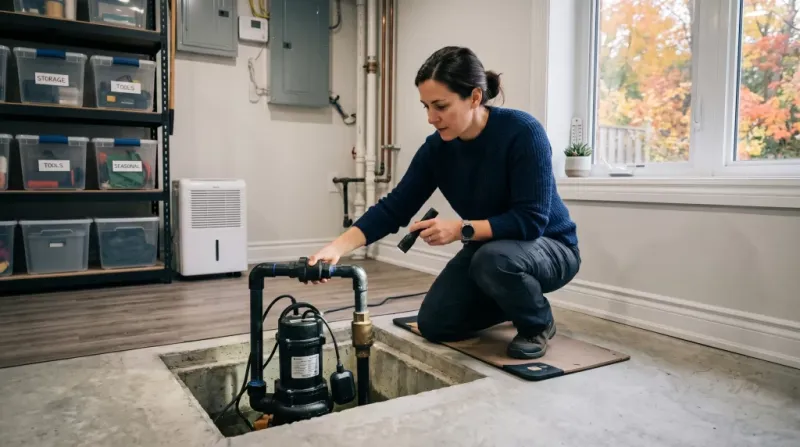
Photo: homeowner inspecting sump pump in basement storm preparation checklist, via www.icyreno.ca
Every spring, our crews respond to the same preventable disasters: the sump pump that died over the winter, the gutter that backed water into a wall cavity, the water heater that had been weeping quietly for months. Almost none of these were surprises to the house. They were surprises to the homeowner. The fix is an annual readiness audit — a physical exam for your home that takes one weekend and costs almost nothing.
Here is the twelve-point version we recommend to every homeowner we meet.
Water: The Most Common Destroyer
1. Photograph every room. Walk the house with your phone and document each room, closet, and valuable, including serial numbers on appliances. Store the images in the cloud. After a loss, this documentation is the difference between a smooth claim and a contested one.
2. Find and test every shut-off valve. Locate the main water shut-off and the valves behind toilets and under sinks. Turn each one a quarter-turn to make sure it isn't seized. A valve that hasn't moved in five years may not move when you need it.
3. Test the sump pump — and its backup. Pour a bucket of water into the pit and confirm the pump cycles. If you have a battery backup, test it and check the battery's age. Most backups fail precisely when they're needed because the battery quietly died a year earlier.
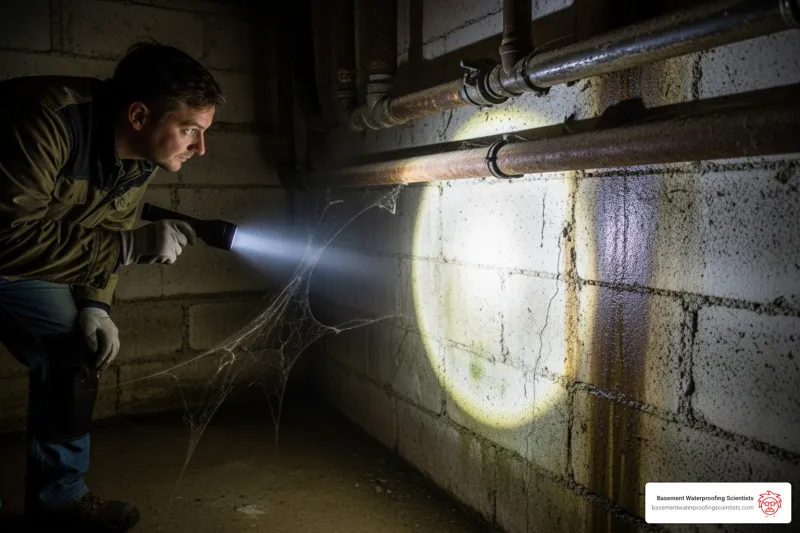
4. Inspect under every sink and around the water heater. Look for staining, swelling, or that faint musty smell that signals slow moisture — the kind that breeds mold long before you see a spot.
Air, Heat, and the Outside of the House
5. Clear the gutters and downspouts. Confirm downspouts discharge at least four feet from the foundation. Misdirected runoff is a leading cause of basement flooding and foundation moisture.
6. Clean the dryer vent end to end. Lint-clogged vents are a genuine fire hazard and a leading cause of house fires nationwide. Pull the lint trap, then check the exterior flap.
7. Check roof shingles, flashing, and seals. From the ground with binoculars, look for lifted shingles and damaged flashing around the chimney and vents.
8. Inspect window and door caulking. Failed seals admit wind-driven rain, which hides inside walls and feeds mold colonies you won't discover for months.
Paperwork and Prevention
9. Review your insurance policy. Confirm your coverage limits, check whether you have sewer-backup coverage (often an add-on), and verify flood coverage — standard homeowner policies do not cover flooding.
10. Trim trees and secure loose items. Dead branches over the roof and unsecured patio furniture become projectiles in a storm.
11. Test smoke and carbon monoxide detectors. Press every test button and replace any unit older than ten years.
12. Assemble a 72-hour kit. Flashlights, water, medications, copies of insurance documents, and contact numbers — enough to be self-sufficient for three days.
The Return on One Weekend
None of these tasks requires a contractor or a significant budget. Together, they take a Saturday morning and an afternoon. We've seen the alternative play out hundreds of times: the unchecked pump, the uncleaned gutter, the undocumented claim. An annual audit won't stop every storm, but it will stop the quiet, cumulative failures that turn minor maintenance into major restoration — and it puts you in the small minority of homeowners who meet disaster prepared, not surprised.