Before the First Freeze: Why a Quiet Autumn Inspection Saves Loud Winter Regrets

Photo by Photo by Oskar Kadaksoo on Unsplash on Unsplash
Every restoration company knows the rhythm of the year. Phones go quiet in October, then ring off the hook in January when a pipe bursts behind a bathroom wall, and again in April when snowmelt and spring storms turn basements into wading pools. The homeowners who call in January are reacting. The ones who call in October are preparing — and the difference, in both cost and stress, is enormous.
The Case of the Slow Leak in Grand Rapids
Consider a Michigan homeowner who booked a routine moisture inspection last November, mostly on a whim. A thermal camera and moisture meter revealed elevated readings behind the laundry room wall — a slow supply-line seep that had been quietly feeding mold colonies for months. Caught in the off-season, the repair was a two-day job: dry the cavity, replace a section of drywall, remediate a small patch of growth. Had it waited until the wall froze, thawed, and burst mid-winter, the same problem would have involved emergency extraction, a larger mold claim, and a family displaced during the holidays.
Stories like this repeat across the country every year. The pattern is consistent: problems found in the quiet months are small; the same problems found in crisis season are expensive.
Why Fall Inspections Work Better
There are practical reasons autumn is the ideal window. First, availability. With emergency demand low, inspection and remediation teams can schedule promptly and work without the time pressure of a flooded house waiting behind them. Second, conditions. Mild outdoor temperatures and heating systems not yet running at full tilt mean a home's moisture readings are representative, not skewed by condensation extremes.
Third, and most importantly, timing. Fall inspections catch the vulnerabilities that winter will exploit: hairline cracks in foundation walls, aging washing machine hoses, water heaters nearing the end of their service life, and attic ventilation that has been quietly trapping humid air — a leading cause of hidden mold growth in northern states.
What a Seasonal Inspection Covers
A thorough pre-winter inspection is not a sales visit; it is a diagnostic exam. Homeowners should expect the following:
- Moisture mapping of exterior walls, window surrounds, basements, and crawl spaces using meters and thermal imaging
- Attic and ventilation review, checking insulation depth, soffit airflow, and bathroom exhaust routing
- Mold risk assessment, including visual inspection and, where warranted, air sampling
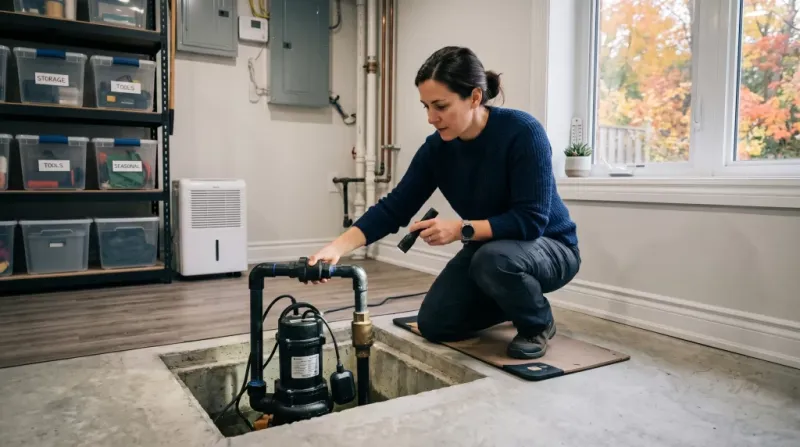
- Plumbing and appliance checks on water heaters, supply lines, sump pumps, and shutoff valves
- A written summary with findings prioritized by urgency and estimated cost
A Checklist Homeowners Can Start Today
Even before a professional arrives, a weekend walkthrough helps:
- Run your sump pump with a bucket of water; confirm the discharge line is clear before the ground freezes.
- Inspect under sinks and behind toilets with a flashlight, looking for staining or a musty smell.
- Check attic sheathing for dark spotting or rusted nail heads, both signs of condensation problems.
- Disconnect and drain garden hoses; frozen spigots are a classic January burst pipe.
- Replace washing machine hoses older than five years.
- Test humidity levels with an inexpensive hygrometer — indoor readings above 50% invite mold.
What It Costs, and What It Prevents
Most professional inspections in the US run between $200 and $500, depending on home size and whether air sampling is included. Set against the national average of a water damage claim — frequently five figures once extraction, drying, and reconstruction are tallied — the math is straightforward. A mold remediation caught at the patch stage may cost a few hundred dollars; a whole-wall remediation after months of hidden growth can cost ten times that, plus the health consequences of living with elevated spore counts.
Restoration Is a Mindset
The restoration industry spends most of its energy on recovery, but the best work is the disaster that never happens. Homeowners who treat an annual inspection the way they treat a furnace tune-up or a dental cleaning consistently spend less, file fewer claims, and keep their families in their homes through the worst weather of the year.
Autumn's calendar is open, the weather is cooperative, and the problems winter will magnify are still small enough to fix quietly. The first freeze is coming regardless. The only question is whether your house meets it inspected — or surprised.