The Van With Out-of-State Plates: A Homeowner's Field Guide to Unmasking Post-Storm Contractor Scams

Photo by Photo by John Middelkoop on Unsplash on Unsplash
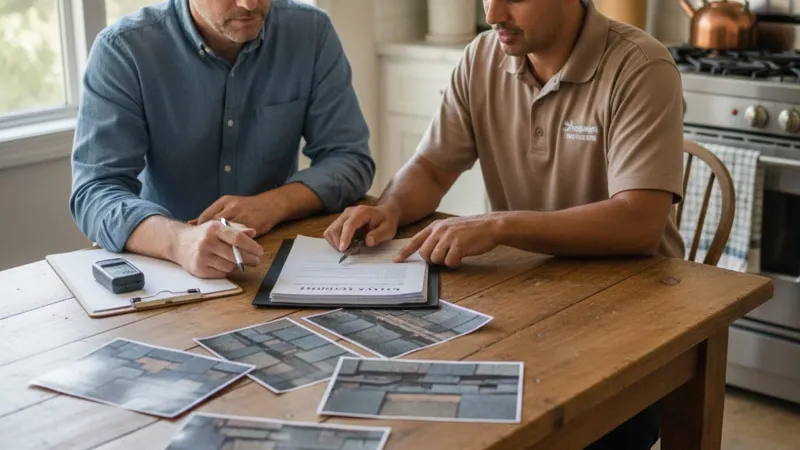
The storm passes. The sun comes out. And before the water has even finished receding from your crawlspace, a stranger in a polo shirt is standing on your porch, offering to start repairs today — cash deposit required.
In the aftermath of major weather events, from Gulf Coast hurricanes to Midwest hailstorms, disaster-affected neighborhoods become hunting grounds for transient contractors. Some are skilled tradespeople genuinely following the work. Many are not. Understanding the difference can mean the distance between a properly restored home and a half-finished repair with a warranty backed by a disconnected phone number.
Why Storms Attract the Wrong Kind of Help
Legitimate restoration capacity is finite. After a Category 2 hurricane makes landfall or a derecho hammers a stretch of the Plains, every reputable firm within three states is booked solid for weeks. That scarcity creates an opening — and opportunists fill it.
These operators share a business model built on velocity. They arrive fast, quote low, collect deposits or assign insurance proceeds upfront, and leave before anyone notices that the "roof repair" involved a single tube of caulk. By the time a homeowner discovers the problem, the truck is two states away. State attorneys general in Florida, Texas, and Colorado have all issued repeated consumer alerts on the pattern, and insurance fraud bureaus consistently rank post-storm contractor fraud among the most common claims-related crimes.
The Red Flags That Should Stop You Mid-Conversation
Not every unfamiliar contractor is a scammer, but certain behaviors should end the conversation immediately:
- Pressure to sign today. "This price is only good while we're in the neighborhood" is a sales tactic, not a discount. Real restoration pricing is based on documented damage, not urgency.
- Requests for full payment upfront. A reasonable deposit — often 10 to 30 percent depending on state law — is normal. Demanding the entire amount, or asking you to sign over your insurance check before work begins, is not.
- No local address or verifiable presence. A PO box, a cell phone number, and a truck wrap are not a business. Ask where their office is. Ask which local suppliers they use.
- Vague or missing insurance documentation. Every legitimate contractor carries general liability coverage and workers' compensation. If they can't produce a current certificate of insurance naming their carrier, walk away.
- Offering to "handle" your insurance company entirely. Some will encourage you to sign an assignment of benefits, transferring control of your claim to them. Several states have restricted or banned this practice for good reason.
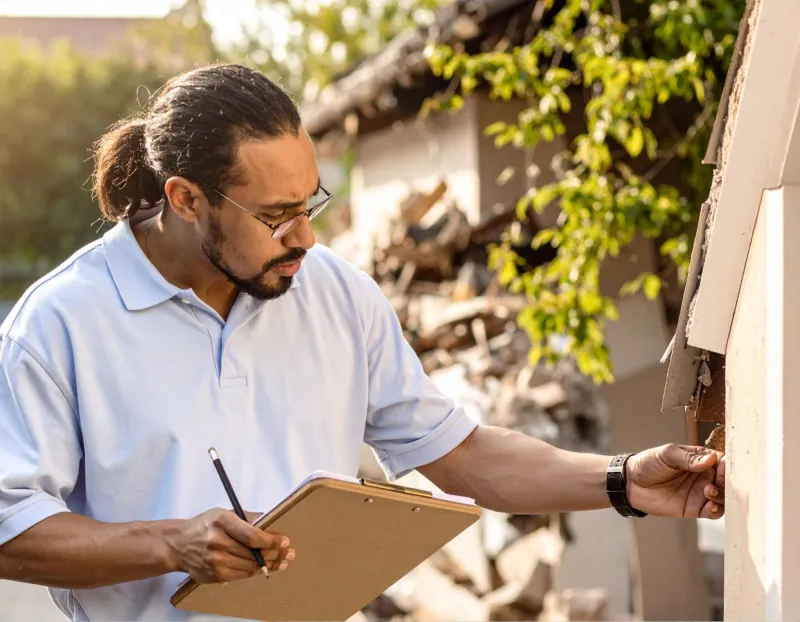
- Damage you didn't have. Unscrupulous crews have been known to create damage — lifting shingles, knocking soffits — to justify a claim. If someone insists on inspecting your roof before showing credentials, decline.
Questions That Separate Professionals From Predators
A legitimate restoration firm welcomes scrutiny. Ask these five questions and observe how the answers land:
- What is your contractor's license number, and in which state is it issued? (Verify it against your state licensing board's public database.)
- Can you provide a certificate of insurance directly from your carrier, dated this year?
- What is your physical business address, and how long have you operated from it?
- Will you provide a written scope of work, itemized pricing, and a warranty in writing before I sign anything?
- Which local building department will you pull permits from?
The last question is quietly decisive. Storm chasers rarely pull permits, because permits create a paper trail that outlasts their visit.
Verifying a Company Is What It Claims to Be
Verification takes twenty minutes and can save you tens of thousands of dollars. Start with your state's contractor licensing portal. Check the Better Business Bureau and your county court records for litigation history. Search the company name alongside the word "complaints." Confirm their insurance certificate by calling the carrier listed — certificates can be forged, and fraudsters know homeowners rarely make the call.
Then look for the markers of genuine local roots: a physical facility, staff who answer the phone with the same company name, equipment branded with the business, and a track record of work in your county. A company that has restored homes in your region for years has a reputation to protect. A company that arrived last Tuesday does not.
What Victims Have in Common
The homeowners who end up in attorneys' offices tend to share a pattern. They signed under pressure. They paid a large deposit in cash. They didn't verify licensing because the contractor "seemed nice." And they skipped the written contract because the crew promised to start immediately.
None of this means you should distrust every unfamiliar face after a storm — out-of-state crews can be legitimate, especially during widespread disasters. But legitimacy survives verification. Fraud does not.
Protecting Your Claim Alongside Your Home
There's a second casualty when a fraudulent contractor botches a repair: your insurance claim. Carriers can deny coverage for work performed without permits, and a shoddy repair that fails later may be classified as poor maintenance rather than storm damage. Document all damage with dated photos before any work begins, keep every receipt and contract, and notify your insurer of your chosen contractor before work starts. A reputable restoration company will coordinate with your adjuster transparently, not around them.
Recovering from a disaster is hard enough without adding betrayal to the loss. Slow down, verify everything, and remember that any contractor worth hiring will still be worth hiring tomorrow.