Animals Under the Dust Barrier: A Pet Owner's Plan for Restoration Days
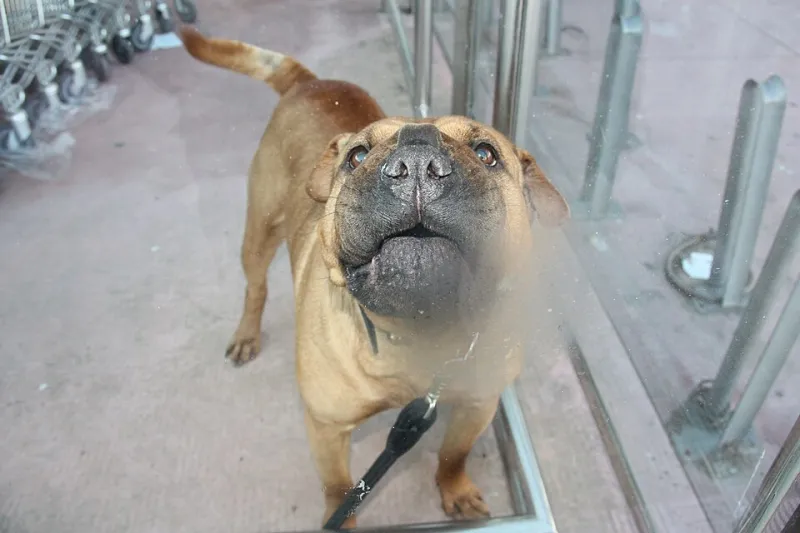
Photo: Daiima, CC0, via Wikimedia Commons
The family member with fur, feathers, or fins
A restoration job site is designed for workers, not pets. Air movers roar, plastic sheeting snaps in the draft, and drywall dust settles on surfaces a pet will investigate. For a dog or cat, the home suddenly smells like strangers and machinery. For a bird, the air itself can become a health concern.
Planning for pets is not an afterthought. It is part of keeping the household safe while the house is rebuilt.
Before the first hammer falls
Gather veterinary records, vaccination proof, and any medications. Confirm that identification tags and microchips are current. Prepare a pet go-bag with food, bowls, litter, a leash, a carrier, bedding, and a familiar toy. If a pet is anxious in vehicles or new places, ask the veterinarian about travel and settling options before the first workday.
Ask the project manager for a realistic schedule: which days will be loudest, when containment will go up, and when the work zone will expand. That calendar helps families decide whether a pet can remain in a distant room or should stay elsewhere.
Dust, containment, and the rooms pets can reach
Demolition and sanding produce fine dust. Drying equipment can circulate particles. Containment barriers are meant to keep the work zone separate, but a determined cat can slip through a gap, and a dog may push past a temporary gate. Do not rely on a closed interior door as the only barrier.
The safest approach is to keep pets out of the entire affected area and preferably out of the home during noisy demolition. If a pet must remain, designate a room far from the work zone, seal the door with a towel or approved barrier, and ask the crew to keep that door closed. Provide water and a litter box in that space, and check on the animal frequently.
Noise, strangers, and stress
Dogs may bark at every entry and exit. Cats may hide under furniture or stop eating. Birds can become distressed by commotion. Ask the crew to schedule the loudest work when the pet is away. Keep routines as close to normal as possible: feeding times, walks, and quiet interaction.
Do not use sedatives without veterinary guidance. Pheromone diffusers and white-noise machines may help some animals, but they are not a substitute for removing a pet from a dangerous work zone.
Temporary housing that works
Hotels vary in pet policies, fees, and size limits. Family and friends may be an option, but only if the animal will be safe and contained. Boarding facilities should be booked early, especially during storm season when many displaced families are looking for the same services.
Bring familiar bedding and food to reduce disruption. Visit when possible, and leave a worn piece of clothing with the caregiver so the pet has a familiar scent. For longer projects, ask the boarding facility about exercise and medication schedules.
Birds and small pets need special attention
Birds are especially sensitive to airborne dust, fumes, and drafts. Many veterinary avian specialists recommend moving birds out of a home during demolition, painting, or heavy cleaning. If a bird must stay, keep it in the farthest room, away from the work zone, and ask the contractor about ventilation and product use.
Small mammals, reptiles, and fish have their own requirements. Aquariums depend on stable temperature and filtration; power interruptions during work can be harmful. Ask the contractor about electrical shutdowns before they occur so that tanks can be prepared or relocated.
Reunion after clearance
Wait until containment is removed, final cleaning is complete, and dust has settled. Ventilate the home, wipe hard surfaces, and wash pet bedding. Introduce pets gradually, one room at a time. Watch for coughing, sneezing, skin irritation, or changes in appetite. If symptoms appear, contact a veterinarian and mention the recent restoration work.
A calm routine in an uncalm house
Label the pet-safe room. Tell every crew member which doors must remain closed. Keep leashes and carriers near the exit. Maintain walks and feeding schedules when possible. A restoration project is temporary, but the animal's experience is immediate. At Gregory Restoration, crews are asked to respect containment boundaries and to coordinate noisy phases with homeowners who are managing pets. A little planning keeps the job site safer for everyone, including the family member who cannot read the work schedule.